
When Is the Right Time to Prune Your Trees?
Knowing when to prune your trees can improve their health, encourage strong growth, and reduce the risk of damage, making timing an important part of effective tree care.

Why you can trust our content
Tree care requires knowledge, experience, and attention to detail. That’s why every project is carried out by qualified arborists using industry-recognised standards and proven techniques to deliver safe, professional, and reliable results.


At a glance
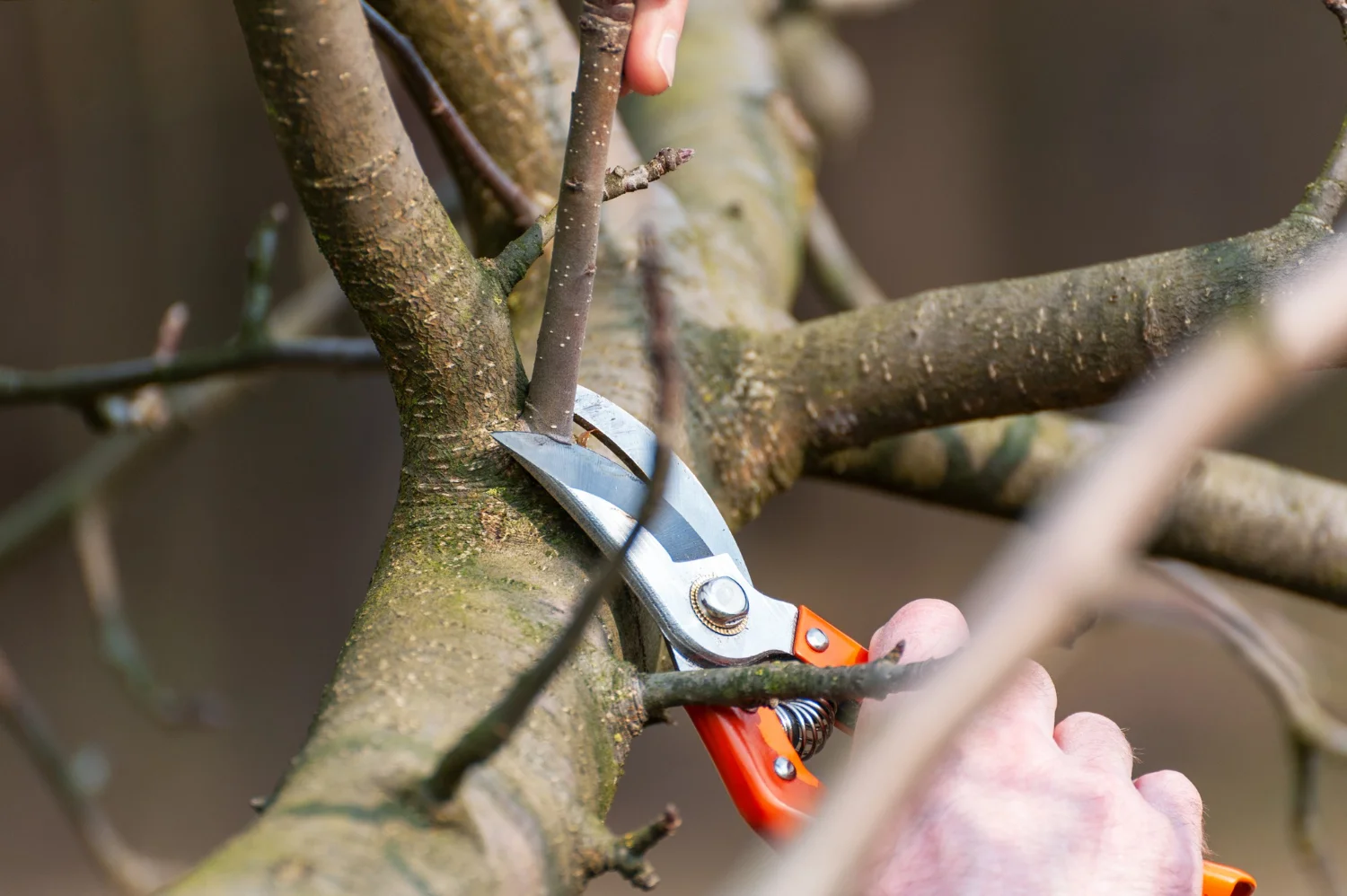
Pruning is one of the most important things you can do to keep your trees healthy, safe and looking their best. But timing it correctly can make the difference between a thriving tree and one that struggles to recover. Prune too early in the season, too late or at the wrong time entirely, and you could inadvertently expose the tree to disease or stress. This guide breaks down exactly when to prune different types of trees, what signs to watch for and how to avoid the most common timing mistakes.
If you’d like tailored advice on your trees before carrying out any work, you’re welcome to request a free quote from the team at Green Touch Services.
Why Does Pruning Timing Actually Matter?
Timing your pruning correctly has a direct impact on a tree’s ability to heal and grow. When a branch is cut, the tree needs to seal the wound through a natural process called compartmentalisation. If you prune during active growth periods or just before a frost, that process becomes much harder, leaving the tree vulnerable to infection and decay.
Pruning at the right time also encourages better growth patterns. For flowering trees in particular, cutting at the wrong stage can remove the very buds that would have bloomed next season. Understanding the growth cycle of your specific trees makes a significant difference to the results you’ll see.
The Best Seasons for Tree Pruning
In general, late autumn through to early spring is considered the ideal window for most deciduous trees. During this dormant period, the tree has shed its leaves, making it easier to assess the branch structure and carry out precise tree pruning without causing unnecessary stress to the plant.
Here’s a general seasonal breakdown to help you plan:
| Season | Suitability for Pruning | Notes |
|---|---|---|
| Late Autumn | Good for most deciduous trees | Sap activity slows, reducing disease risk |
| Winter (mild days) | Ideal for structural pruning | Clear branch structure, easier to assess |
| Early Spring (before bud burst) | Suitable for light shaping | Avoid once buds have opened |
| Late Spring / Summer | Best for evergreens and light deadwooding | Avoid heavy cuts in heat |
| Late Summer | Suitable for fruit trees after harvest | Reduces vigorous regrowth |
Evergreen trees and shrubs generally tolerate pruning slightly better across different seasons, though it’s still worth avoiding the coldest periods of a Scottish winter where possible.
Signs Your Tree Needs Pruning Now
Sometimes the calendar matters less than what the tree is telling you. If you notice any of the following, it may be time to act regardless of the season:
- Dead, dying or damaged branches that pose a risk of falling
- Branches rubbing against each other and causing wounds
- Limbs growing too close to a building, fence or power line
- Crossing branches that are disrupting the tree’s natural shape
- Dense canopy growth that blocks light to the garden below
Reactive tree pruning for safety reasons should never be delayed. Waiting for the “perfect” season is less important than addressing a genuine hazard before it causes damage or injury.
If you’ve spotted any of these warning signs on your property, speaking to a qualified tree surgeon for an assessment is always the sensible next step.
Ready to Book a Professional Tree Pruning Service in Glasgow?
Our City & Guilds-certified arborists cover Glasgow and North Lanarkshire. Get your free, no-obligation quote today.
How Often Should You Prune Mature Trees?
Most mature trees benefit from being assessed and lightly pruned every two to five years, depending on species, growth rate and location. Fast-growing species such as willow or cherry may need more regular attention, while slower-growing oaks and beeches can often go longer between visits.
In Glasgow and the surrounding Central Scotland area, the wetter climate can accelerate growth and also increase the likelihood of fungal issues in wounds that are left too long without attention. Regular, well-timed pruning keeps the tree in a controlled, healthy state rather than requiring drastic removal work further down the line.
A qualified tree surgeon will be able to recommend a suitable maintenance schedule after assessing the specific species and condition of your trees.
Ready to Prune Your Trees?
Getting your pruning timing right is one of the simplest ways to protect your trees and keep your outdoor space looking well cared for. Whether you have a single garden tree or a larger plot with multiple mature specimens, a structured pruning schedule makes a genuine difference to long-term tree health and safety.
For expert tree pruning carried out at the right time and to the highest standard, get in touch with Green Touch Services. Serving Glasgow and the surrounding area, the team is on hand to assess your trees and recommend the best course of action for your property. Request your free quote today.
Related articles


At a glance
Pruning is one of the most important things you can do to keep your trees healthy, safe and looking their best. But timing it correctly can make the difference between a thriving tree and one that struggles to recover. Prune too early in the season, too late or at the wrong time entirely, and you could inadvertently expose the tree to disease or stress. This guide breaks down exactly when to prune different types of trees, what signs to watch for and how to avoid the most common timing mistakes.
If you’d like tailored advice on your trees before carrying out any work, you’re welcome to request a free quote from the team at Green Touch Services.
Why Does Pruning Timing Actually Matter?
Timing your pruning correctly has a direct impact on a tree’s ability to heal and grow. When a branch is cut, the tree needs to seal the wound through a natural process called compartmentalisation. If you prune during active growth periods or just before a frost, that process becomes much harder, leaving the tree vulnerable to infection and decay.
Pruning at the right time also encourages better growth patterns. For flowering trees in particular, cutting at the wrong stage can remove the very buds that would have bloomed next season. Understanding the growth cycle of your specific trees makes a significant difference to the results you’ll see.
The Best Seasons for Tree Pruning
In general, late autumn through to early spring is considered the ideal window for most deciduous trees. During this dormant period, the tree has shed its leaves, making it easier to assess the branch structure and carry out precise tree pruning without causing unnecessary stress to the plant.
Here’s a general seasonal breakdown to help you plan:
| Season | Suitability for Pruning | Notes |
|---|---|---|
| Late Autumn | Good for most deciduous trees | Sap activity slows, reducing disease risk |
| Winter (mild days) | Ideal for structural pruning | Clear branch structure, easier to assess |
| Early Spring (before bud burst) | Suitable for light shaping | Avoid once buds have opened |
| Late Spring / Summer | Best for evergreens and light deadwooding | Avoid heavy cuts in heat |
| Late Summer | Suitable for fruit trees after harvest | Reduces vigorous regrowth |
Evergreen trees and shrubs generally tolerate pruning slightly better across different seasons, though it’s still worth avoiding the coldest periods of a Scottish winter where possible.
Signs Your Tree Needs Pruning Now
Sometimes the calendar matters less than what the tree is telling you. If you notice any of the following, it may be time to act regardless of the season:
- Dead, dying or damaged branches that pose a risk of falling
- Branches rubbing against each other and causing wounds
- Limbs growing too close to a building, fence or power line
- Crossing branches that are disrupting the tree’s natural shape
- Dense canopy growth that blocks light to the garden below
Reactive tree pruning for safety reasons should never be delayed. Waiting for the “perfect” season is less important than addressing a genuine hazard before it causes damage or injury.
If you’ve spotted any of these warning signs on your property, speaking to a qualified tree surgeon for an assessment is always the sensible next step.
Ready to Book a Professional Tree Pruning Service in Glasgow?
Our City & Guilds-certified arborists cover Glasgow and North Lanarkshire. Get your free, no-obligation quote today.
How Often Should You Prune Mature Trees?
Most mature trees benefit from being assessed and lightly pruned every two to five years, depending on species, growth rate and location. Fast-growing species such as willow or cherry may need more regular attention, while slower-growing oaks and beeches can often go longer between visits.
In Glasgow and the surrounding Central Scotland area, the wetter climate can accelerate growth and also increase the likelihood of fungal issues in wounds that are left too long without attention. Regular, well-timed pruning keeps the tree in a controlled, healthy state rather than requiring drastic removal work further down the line.
A qualified tree surgeon will be able to recommend a suitable maintenance schedule after assessing the specific species and condition of your trees.
Ready to Prune Your Trees?
Getting your pruning timing right is one of the simplest ways to protect your trees and keep your outdoor space looking well cared for. Whether you have a single garden tree or a larger plot with multiple mature specimens, a structured pruning schedule makes a genuine difference to long-term tree health and safety.
For expert tree pruning carried out at the right time and to the highest standard, get in touch with Green Touch Services. Serving Glasgow and the surrounding area, the team is on hand to assess your trees and recommend the best course of action for your property. Request your free quote today.