Common Tree Diseases and How to Spot Them
Learn how to identify common tree diseases early and protect your trees from long-term damage with simple visual warning signs.

Why you can trust our content
Tree care requires knowledge, experience, and attention to detail. That’s why every project is carried out by qualified arborists using industry-recognised standards and proven techniques to deliver safe, professional, and reliable results.


At a glance
Trees can look perfectly healthy from a distance while quietly struggling beneath the surface. Disease often takes hold gradually, and by the time visible symptoms become obvious, significant damage may already have occurred. Knowing what to look for and when to act puts you in a much stronger position to protect the trees on your property. This guide covers some of the most common tree diseases found across the UK, how to identify early warning signs and what your options are when something doesn’t look right.
If you’re concerned about a tree on your property, you can request a free assessment from Green Touch Services before the issue develops further.
What Are the Most Common Tree Diseases in the UK?
Several diseases affect trees commonly found in Scottish gardens and green spaces. Here are the ones most worth knowing about:
Ash Dieback (Hymenoscyphus fraxineus)
Ash dieback is now widespread across the UK and affects ash trees at every stage of maturity. Look for wilting or blackened leaves, diamond-shaped lesions on the bark and dieback beginning at the tips of branches before working inward. Infected trees can deteriorate rapidly and often become structurally unstable.
Phytophthora Root Rot
This water mould affects the roots and base of a wide range of tree species, including beech, alder and larch. Signs include discoloured or bleeding bark near the base of the trunk, a general decline in canopy health and poor leaf coverage despite adequate rainfall.
Honey Fungus (Armillaria)
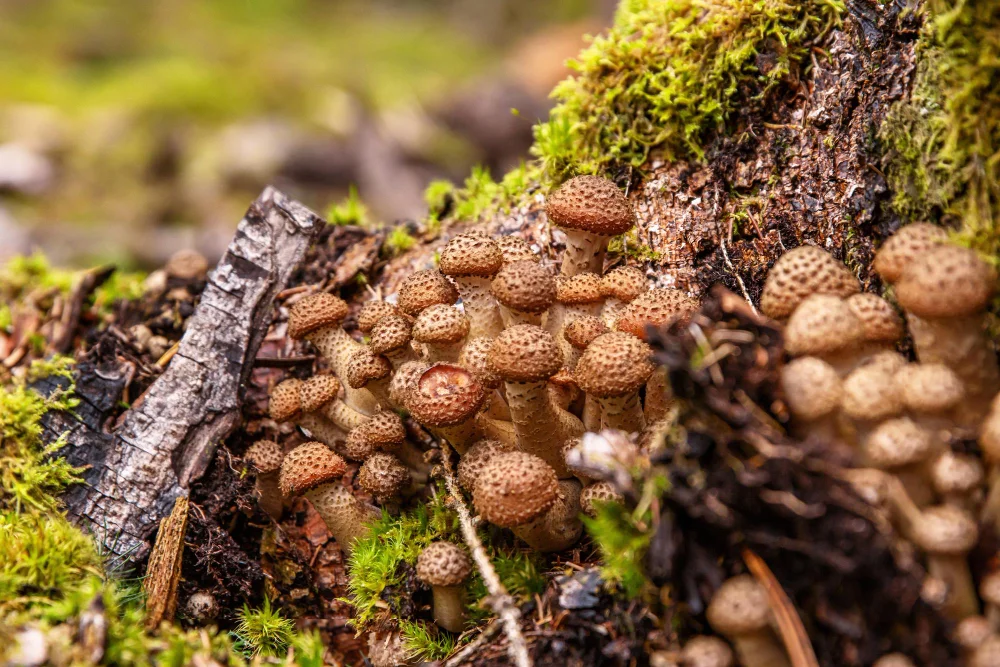
One of the most destructive garden pathogens in the UK. Honey fungus spreads underground through root systems and is identifiable by a distinctive white mycelium beneath the bark at the base of the tree. Clusters of honey-coloured toadstools may appear around the base in autumn, though not always.
Need Help Identifying a Tree Disease?
Our experienced arborists cover Glasgow and North Lanarkshire, providing expert inspections and practical solutions. Get your free, no-obligation quote today.
Why Early Identification Makes a Difference
Catching a disease early dramatically improves the options available to you. In some cases, targeted crown reduction or the removal of affected limbs can slow or halt the progression of a disease, preserving the rest of the tree. Leave it too long, and full tree removal may become the only safe option.
Early identification also protects the surrounding trees and planting. Many diseases spread through root contact, airborne spores or insects. A diseased tree left unmanaged in a garden or woodland setting can compromise neighbouring specimens within a single season.
For homeowners across Glasgow and Central Scotland, the wet climate creates conditions where fungal diseases in particular can thrive. Keeping a close eye on your trees through the autumn and winter months is especially worthwhile.
How to Spot the Warning Signs
You don’t need specialist training to notice that something is wrong. These are the visual cues most worth paying attention to:
| Symptom | Possible Cause | What to Do |
|---|---|---|
| Wilting or yellowing leaves out of season | Root rot or vascular disease | Request a professional assessment |
| Cankers or sunken patches on bark | Bacterial or fungal canker | Monitor closely, seek expert advice |
| White or orange powder on leaves | Powdery mildew or rust fungus | May be manageable, assess impact |
| Bleeding or oozing sap from bark | Phytophthora or bacterial wetwood | Seek tree surgeon assessment promptly |
| Sudden leaf drop in summer | Crown dieback or root disease | Act quickly, cause needs diagnosing |
| Fungal brackets on trunk or roots | Advanced internal decay | Structural risk, urgent assessment needed |
If you spot any of these symptoms, taking a photo and getting in touch with a qualified tree surgeon is the most sensible next step. Don’t wait to see if it improves on its own.
For guidance on tree health and next steps, speaking to a qualified professional is always worthwhile.
Does Tree Disease Always Mean Removal?
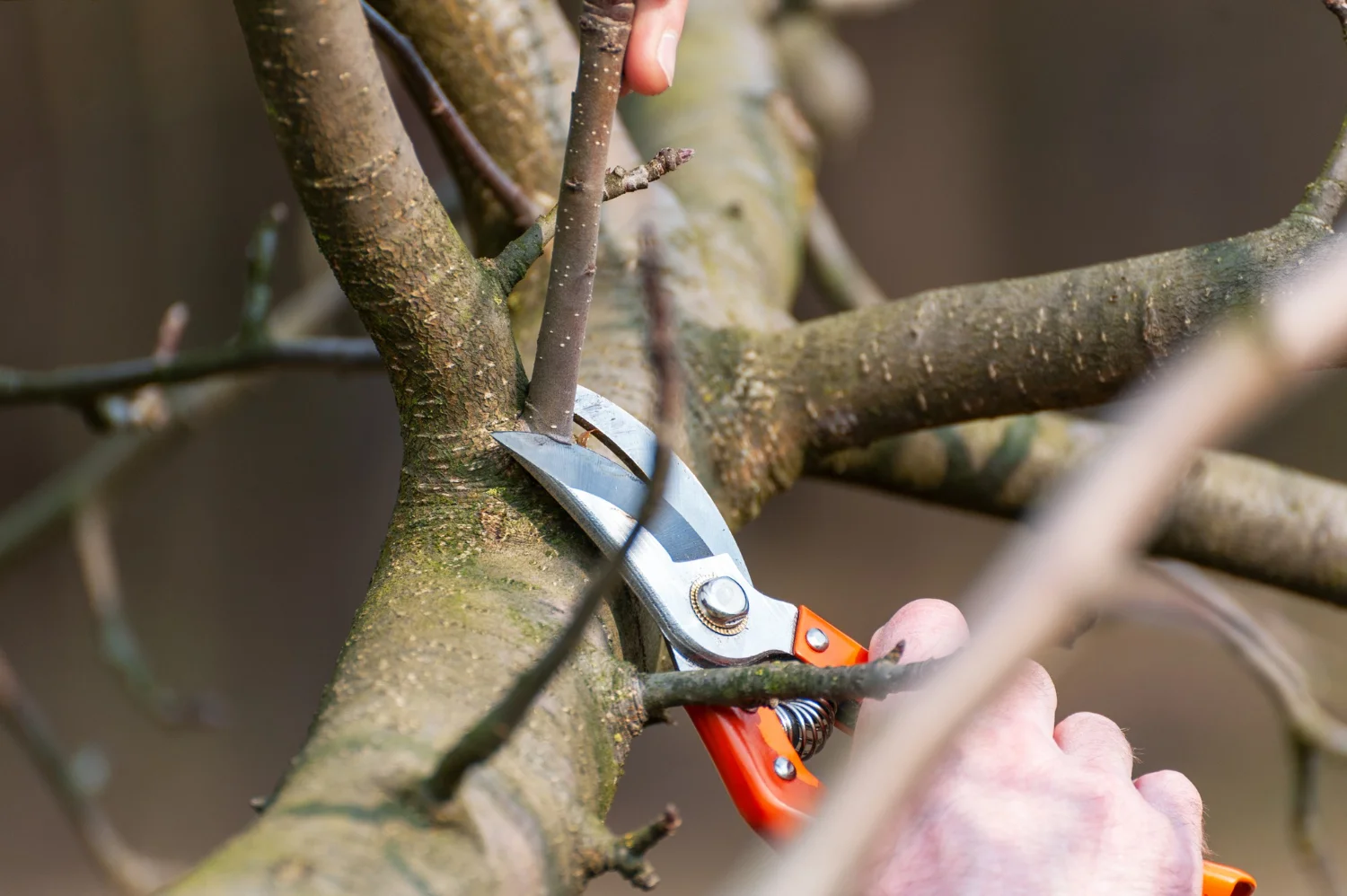
Not necessarily. Several diseases can be managed through careful pruning, improved drainage or targeted treatments without requiring the tree to be removed entirely. A thorough assessment by a qualified tree surgeon will determine the severity and the most appropriate course of action.
That said, some diseases, such as advanced ash dieback or severe honey fungus infection, can compromise the structural integrity of a tree to the point where it poses a genuine safety risk. In those cases, professional tree removal is the responsible choice, particularly where the tree is near a building, path or boundary.
The important thing is to get an informed opinion rather than assuming the worst or, equally, ignoring a problem in the hope it resolves itself.
Concerned About Tree Health?
Tree diseases are often manageable when caught early, but they can escalate quickly if left unaddressed. Learning to recognise the early warning signs and acting promptly is the most effective way to protect your trees and the wider garden or landscape around them.
If you’re concerned about the health of a tree on your property, Green Touch Services is here to help. Covering Glasgow and the surrounding areas, the team provides thorough tree health assessments and professional advice to help you make the right decision. Reach out today to arrange your free quote.
Related articles


At a glance
Trees can look perfectly healthy from a distance while quietly struggling beneath the surface. Disease often takes hold gradually, and by the time visible symptoms become obvious, significant damage may already have occurred. Knowing what to look for and when to act puts you in a much stronger position to protect the trees on your property. This guide covers some of the most common tree diseases found across the UK, how to identify early warning signs and what your options are when something doesn’t look right.
If you’re concerned about a tree on your property, you can request a free assessment from Green Touch Services before the issue develops further.
What Are the Most Common Tree Diseases in the UK?
Several diseases affect trees commonly found in Scottish gardens and green spaces. Here are the ones most worth knowing about:
Ash Dieback (Hymenoscyphus fraxineus)
Ash dieback is now widespread across the UK and affects ash trees at every stage of maturity. Look for wilting or blackened leaves, diamond-shaped lesions on the bark and dieback beginning at the tips of branches before working inward. Infected trees can deteriorate rapidly and often become structurally unstable.
Phytophthora Root Rot
This water mould affects the roots and base of a wide range of tree species, including beech, alder and larch. Signs include discoloured or bleeding bark near the base of the trunk, a general decline in canopy health and poor leaf coverage despite adequate rainfall.
Honey Fungus (Armillaria)
One of the most destructive garden pathogens in the UK. Honey fungus spreads underground through root systems and is identifiable by a distinctive white mycelium beneath the bark at the base of the tree. Clusters of honey-coloured toadstools may appear around the base in autumn, though not always.
Need Help Identifying a Tree Disease?
Our experienced arborists cover Glasgow and North Lanarkshire, providing expert inspections and practical solutions. Get your free, no-obligation quote today.
Why Early Identification Makes a Difference
Catching a disease early dramatically improves the options available to you. In some cases, targeted crown reduction or the removal of affected limbs can slow or halt the progression of a disease, preserving the rest of the tree. Leave it too long, and full tree removal may become the only safe option.
Early identification also protects the surrounding trees and planting. Many diseases spread through root contact, airborne spores or insects. A diseased tree left unmanaged in a garden or woodland setting can compromise neighbouring specimens within a single season.
For homeowners across Glasgow and Central Scotland, the wet climate creates conditions where fungal diseases in particular can thrive. Keeping a close eye on your trees through the autumn and winter months is especially worthwhile.
How to Spot the Warning Signs
You don’t need specialist training to notice that something is wrong. These are the visual cues most worth paying attention to:
| Symptom | Possible Cause | What to Do |
|---|---|---|
| Wilting or yellowing leaves out of season | Root rot or vascular disease | Request a professional assessment |
| Cankers or sunken patches on bark | Bacterial or fungal canker | Monitor closely, seek expert advice |
| White or orange powder on leaves | Powdery mildew or rust fungus | May be manageable, assess impact |
| Bleeding or oozing sap from bark | Phytophthora or bacterial wetwood | Seek tree surgeon assessment promptly |
| Sudden leaf drop in summer | Crown dieback or root disease | Act quickly, cause needs diagnosing |
| Fungal brackets on trunk or roots | Advanced internal decay | Structural risk, urgent assessment needed |
If you spot any of these symptoms, taking a photo and getting in touch with a qualified tree surgeon is the most sensible next step. Don’t wait to see if it improves on its own.
For guidance on tree health and next steps, speaking to a qualified professional is always worthwhile.
Does Tree Disease Always Mean Removal?
Not necessarily. Several diseases can be managed through careful pruning, improved drainage or targeted treatments without requiring the tree to be removed entirely. A thorough assessment by a qualified tree surgeon will determine the severity and the most appropriate course of action.
That said, some diseases, such as advanced ash dieback or severe honey fungus infection, can compromise the structural integrity of a tree to the point where it poses a genuine safety risk. In those cases, professional tree removal is the responsible choice, particularly where the tree is near a building, path or boundary.
The important thing is to get an informed opinion rather than assuming the worst or, equally, ignoring a problem in the hope it resolves itself.
Concerned About Tree Health?
Tree diseases are often manageable when caught early, but they can escalate quickly if left unaddressed. Learning to recognise the early warning signs and acting promptly is the most effective way to protect your trees and the wider garden or landscape around them.
If you’re concerned about the health of a tree on your property, Green Touch Services is here to help. Covering Glasgow and the surrounding areas, the team provides thorough tree health assessments and professional advice to help you make the right decision. Reach out today to arrange your free quote.